Tourist Information Center
Belovo
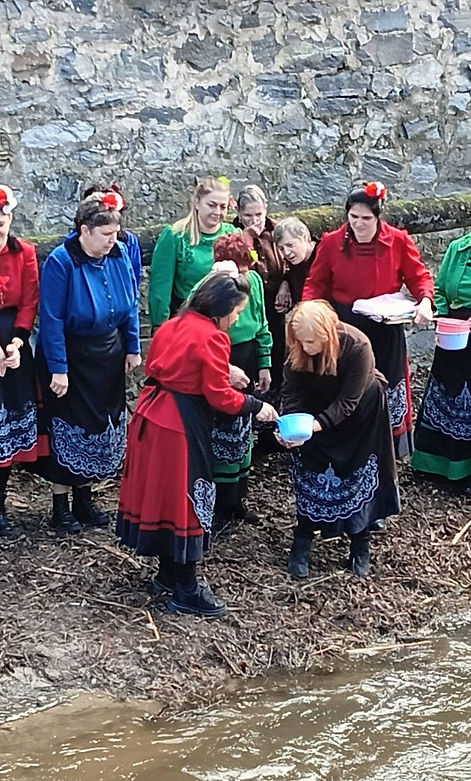
The "Kypanki" Tradition: A Unique Babinden Ritual in Golyamo Belovo
In Golyamo Belovo, the "Kypanki" custom remains a cherished tradition to this day, celebrated on Babinden (January 8th). This holiday has deep roots dating back to the Bulgarian National Revival (18th–19th centuries), a time when midwives held a position of great respect and importance in society for their role in bringing new life into the world. The ritual "bathing" symbolizes both spiritual purification and a blessing for good health.
Early in the morning, young brides and mothers gather to honor the village midwife, bringing gifts such as soap, towels, socks, and traditional ritual bread. The women then escort the midwife to the river or a fountain, where she is ceremoniously "bathed" to ensure health and prosperity for the coming year. This ritual is filled with songs, laughter, and festive joy. Afterward, the community gathers for a shared feast, enjoying homemade dishes and local wine.
Today, the custom is preserved in a lighter, celebratory form. Unlike many traditions that have been artificially revived, "Kypanki" has never ceased to be practiced, making it one of the most authentic and vibrant living traditions in the region.
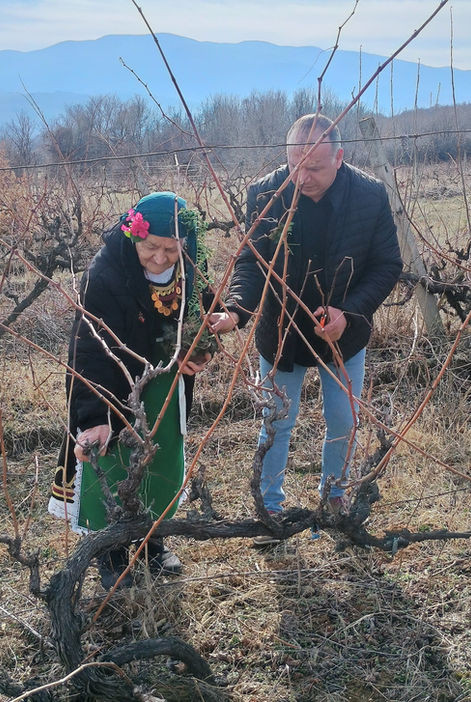
Trifon Zarezan in Menenkyovo: A Living Legacy of Viticulture
In Menenkyovo, Trifon Zarezan is celebrated on February 14th, honoring a deep-rooted tradition of viticulture that has flourished in the region since the 19th century. The ritual of "zaryazvane" (the ceremonial pruning of the vines) marks the official beginning of the agricultural year—a custom well-documented in Bulgarian National Revival ethnography.
Today, the holiday remains a cornerstone of local identity. The festivities include a highly anticipated competition for the year’s finest homemade wine, culminating in the crowning of the "King of the Vines." Following the ceremonial pruning, the village comes alive with traditional songs and dances. A unique highlight of the day is the culinary tradition: every household prepares "babek"—a specialized local cured meat that is a staple of the holiday feast.
For the people of Menenkyovo, Trifon Zarezan is more than just a date on the calendar; it is an essential part of their way of life, preserving the spirit of the land for future generations.
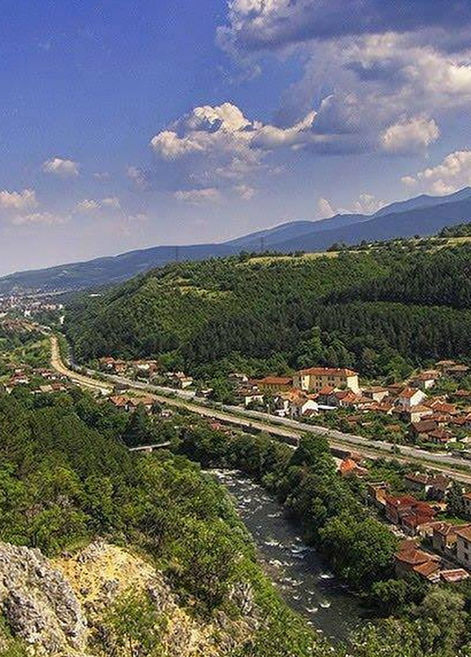
The Legend of Momina Klisura: Honor and Sacrifice
Momina Klisura is a place whose name is deeply intertwined with a legend likely dating back to the period of Ottoman rule (15th–19th centuries).
According to the tradition, many years ago, a group of young maidens (momini) passed through these lands. They were fleeing from pursuers, but upon reaching the narrow mountain pass (klisura), they were cornered. The bravest among them, refusing to surrender and lose her freedom, led the others in a final act of defiance: they threw themselves into the abyss of the gorge. Moved by their extraordinary courage and sense of honor, the local people began calling the place "Momina Klisura"—literally, "The Maidens' Gorge."
The physical landscape itself—a narrow pass flanked by towering cliffs—lends a powerful sense of realism to the story. Such legends frequently emerged across the Bulgarian lands during the 19th century, a period of national awakening when symbolic stories of honor and self-sacrifice played a crucial role in shaping the national identity.
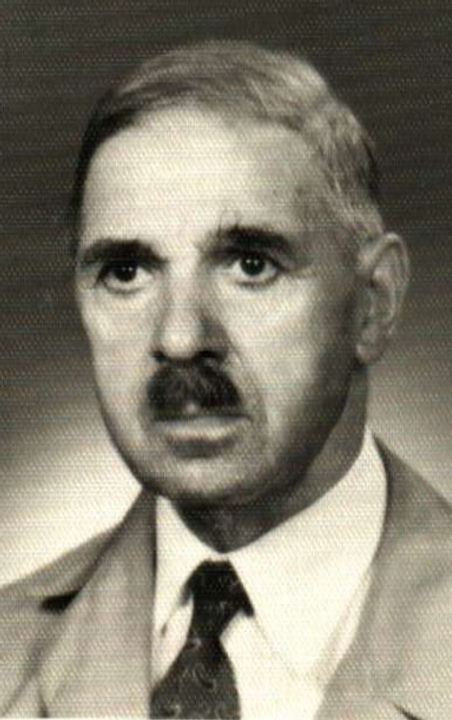
Hristo Vakarelski: The Scholar of the Bulgarian Soul
Hristo Todorov Vakarelski is one of the most prominent Bulgarian ethnographers and folklorists. Born on December 15, 1896, in the village of Momina Klisura (Pazardzhik district), he dedicated his life to the meticulous study of Bulgarian heritage.
Vakarelski traveled extensively through remote villages and mountain regions to document folk songs, traditional costumes, and ancient customs, including rituals like Babinden and Trifon Zarezan. He prioritized interviews with village elders, recognizing them as the true guardians of ancestral traditions. His research was vast; he collected and described hundreds of distinct types of Bulgarian folk costumes, providing the foundation for our modern understanding of regional differences in traditional attire.
His most celebrated work, "Ethnography of Bulgaria," was first published in 1965 in Polish. This monumental study offers a detailed account of the daily life, traditions, costumes, and customs of the Bulgarian people and remains a primary academic source to this day. Through his lectures and exhibitions abroad, Vakarelski introduced Bulgarian traditions to the world, significantly raising the country's profile within the international scientific community.

Maria Sutich: A Symbol of Courage in the April Uprising
Maria Sutich is one of the most compelling figures associated with the Belovo region. She took an active part in the events of the 1876 April Uprising, famously joining the rebel detachment led by the revolutionary leader Georgi Benkovski.
At that time, it was exceptionally rare for a woman to join an armed rebel group. The uprising, which broke out in April 1876, swept through various regions, including parts of today's Pazardzhik district, and passed through the village of Golyamo Belovo.
Although historical records of Maria Sutich's life are limited, the sheer fact of her participation makes her a significant figure in local history. She stands as a powerful example that the struggle for independence involved not only famous revolutionaries but also ordinary people from the region. In recognition of her bravery and contribution, a monument has been erected in her honor in the town of Belovo.

The Maritsa Chamomile: A Global Rarity in Belovo
Encountering the world's only population of the Maritsa Chamomile is a truly thrilling experience. There is only one place on Earth where this can happen, and it is right here in Bulgaria. Known locally as the Belovo Chamomile (Anthemis argyrophylla), this species is found exclusively within the territory of the Belovo municipality and nowhere else in the world.
This rare plant reaches a height of 15–20 cm, featuring a branched stem and deeply serrated leaves. Its flower heads measure 2–2.5 cm in diameter, distinguished by white ray florets and yellow tubular centers. The plant blooms from May to June and bears fruit from June to July.
The protected site, named after the plant, is located in the lands of the village of Dabravite, Belovo municipality. It was officially established on February 19, 2013, with the sole purpose of preserving this unique plant species and its natural habitat. Within this area, strict regulations are in place: construction, the extraction of mineral resources, and afforestation are strictly prohibited to ensure the survival of this global treasure.